
Good and Bad Retrofit Approaches
Analysis of good and bad modernizations of pre-1919 dwellings.
Their impact on the community and the built environment.
Opportunities and threats within existing housing stock.
Abstract
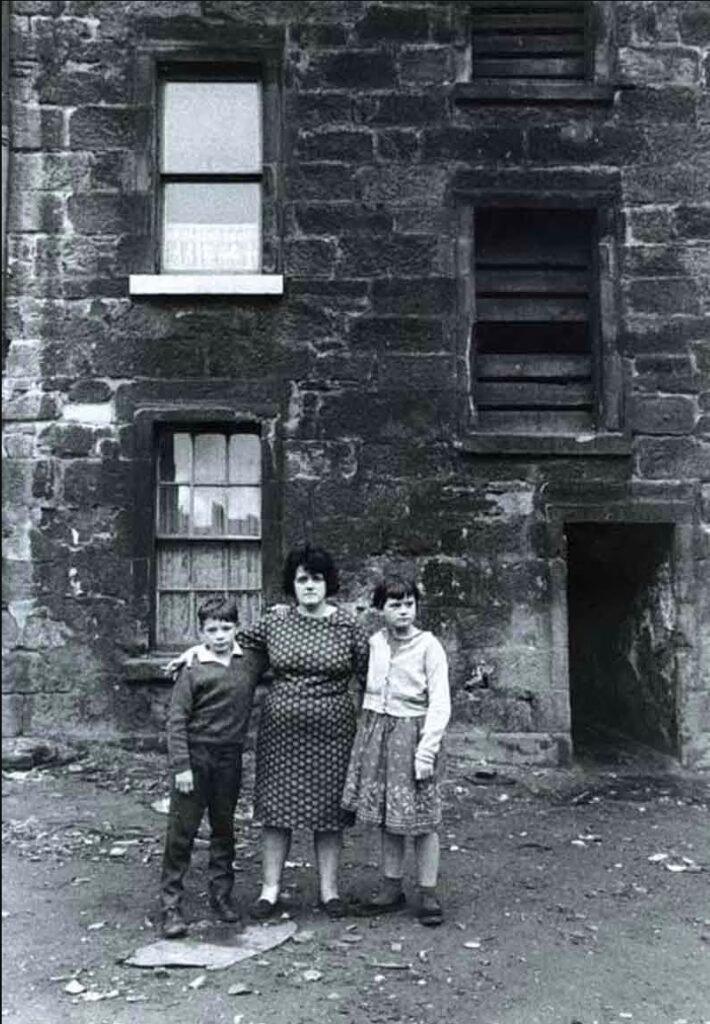
This research document establishes community need through a collection of people’s histories brought from the newspapers and documentaries to show that a lot of vulnerable people are experiencing a housing crisis throughout their lives. The further part of the document presents governmental statistics to show the scale of the issue. Further analysis established the scale of housing in need of repair and gave more detailed information about the type of dwellings that are the most common in need of repair.
The analysis shows that 25% of pre-1919 built dwelling falls under the term urgent disrepair, which indicates a high likelihood of further deterioration, and the state of flats can put dwellers’ lives in danger. This work seeks solutions to the recently refurbished pre-1919 dwelling design proposed by John Gilbert Architects. The chosen design was completed, and its alteration decreased energy consumption by 90%. The building was environmentally tested, and results were explored and published as part of academic research prepared by Dr Alejandro Moreno-Rangel.
Further scope for this design thesis is to find a similar design response for a different dwelling layout with similar historical roots.
Successful design will be able to be introduced to thousands of dwellings, changing housing quality and preserving Scottish architectural heritage long-term.